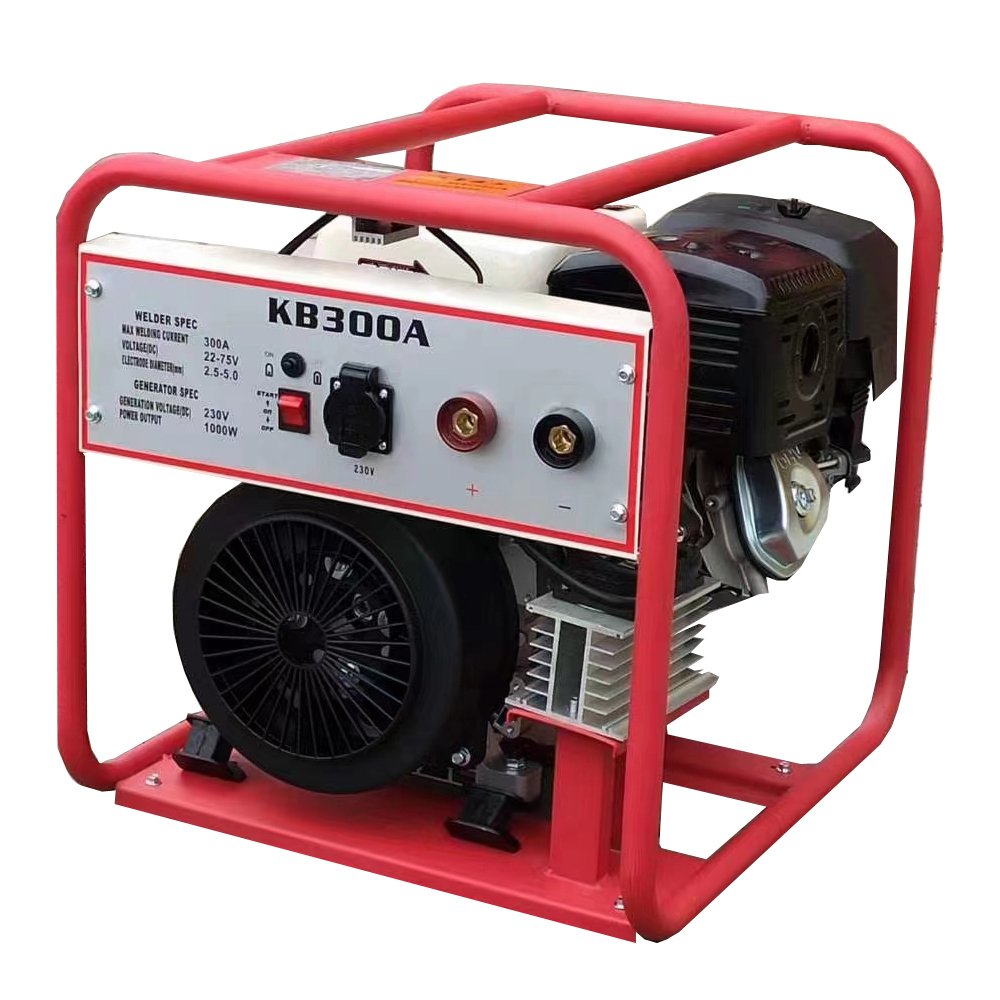
In the demanding world of industrial operations, a welding generator isn't just a piece of equipment; it's the pulsating heart of your project, powering everything from intricate welds to essential heat treatments. Yet, with great power comes great responsibility. Overlooking robust Welding Generator Safety & Regulatory Compliance isn't merely an oversight; it's a direct threat to worker safety, project timelines, environmental integrity, and your bottom line.
This isn't just about ticking boxes; it's about fostering a culture where every spark, every hum, and every kilowatt is managed with the utmost precision and care. As an expert in the field, I’ve seen firsthand the catastrophic consequences of cutting corners and the seamless efficiency achieved when safety and compliance are baked into every operational plan. Let's delve into what it truly means to operate safely, efficiently, and responsibly.
At a Glance: Key Takeaways for Welding Generator Safety & Compliance
- Understand the Regulators: OSHA, NFPA, EPA, and ISO set the non-negotiable standards for safe and compliant generator operation.
- Prioritize Electrical Safety: Proper grounding, connection to structures (meeting NEC), and protection against shock are paramount.
- Manage Emissions: Modern diesel generators must meet stringent EPA "Tier" standards to minimize environmental impact.
- Size It Right: Accurately calculate load to prevent overload, overheating, "wet stacking," and damage.
- Ventilate, Ventilate, Ventilate: Never operate generators indoors due to deadly carbon monoxide (CO) gas. Ensure ample outdoor airflow.
- Fuel Safely: Always shut down and cool the generator before refueling; use approved containers and secondary containment.
- Partner Wisely: Choose providers with modern, well-maintained fleets and proven technical expertise in compliance.
- Stability is Key: For sensitive applications like heat treatment, consistent power supply prevents costly metallurgical failures.
The Unseen Dangers: Why Generator Safety Isn't Optional
Imagine a construction site humming with activity, or a specialized heat treatment facility relying on precise temperature control. In both scenarios, an industrial generator is the silent workhorse. But this power, while essential, carries inherent risks. From electrical shocks and fire hazards to the insidious threat of carbon monoxide poisoning and environmental damage, the potential for harm is significant if safety protocols are not meticulously followed.
Regulatory bodies exist not to complicate operations, but to safeguard lives and our planet. Their standards are born from countless incidents and invaluable lessons learned. Ignoring them isn't just a legal risk; it's an ethical failing. A single accident can halt operations, trigger investigations, incur hefty fines, damage reputations, and, most tragically, cost lives. Compliance, therefore, isn't a burden—it's an investment in safety, operational continuity, and long-term success.
Navigating the Regulatory Landscape: Your Compliance Compass
Understanding the intricate web of regulations is the first step towards ironclad safety. These aren't abstract concepts; they are the bedrock of responsible operation, defining everything from how you ground your equipment to what kind of emissions it can produce.
OSHA: The Foundation of Electrical Safety
The Occupational Safety and Health Administration (OSHA) is the bedrock of workplace safety in the United States. When it comes to generators, OSHA's focus is squarely on electrical safety, aiming to prevent shocks, electrocution, and fires. This primarily revolves around:
- Proper Grounding: For any generator connected to a structure's wiring, comprehensive grounding isn't just recommended; it's non-negotiable. This must meet the stringent requirements of the National Electrical Code (NEC). Adequate grounding safely dissipates fault currents, preventing dangerous voltage buildup and protecting personnel from electrical shock hazards. Understanding key electrical safety standards is paramount for compliance.
- Lockout/Tagout Procedures: Ensuring generators are de-energized and cannot be accidentally restarted during maintenance or servicing.
- Personal Protective Equipment (PPE): Mandating appropriate PPE for workers handling electrical connections or operating generators.
- Clearance and Access: Ensuring generators are placed with adequate clearance for safe operation, maintenance, and emergency access.
NFPA: Fire Prevention and Operational Codes
The National Fire Protection Association (NFPA) provides critical codes and standards that are often adopted into local, state, and national law. For generator applications, NFPA standards are paramount for preventing fires and ensuring safe operational procedures. These often cover:
- Fuel Storage and Handling: Detailed requirements for the safe storage of fuels, including tank design, spill containment, and separation from ignition sources.
- Ventilation: Specifications for generator enclosures and operational areas to prevent the buildup of combustible vapors or dangerous exhaust gases.
- Emergency Shutdown Systems: Requirements for readily accessible and clearly marked emergency stops.
- Fire Suppression: Guidelines for the installation of fire detection and suppression systems in generator rooms or enclosures.
- Clearance from Combustibles: Mandates for maintaining specific distances between generators and flammable materials to prevent ignition.
EPA: Breathing Easy with Emission Standards
The Environmental Protection Agency (EPA) plays a crucial role in regulating the environmental impact of industrial equipment, especially diesel generators. Modern diesel generators are subject to "Tier" standards, which dictate permissible levels of pollutants like particulate matter (soot) and nitrogen oxides (NOx).
- Tier 4 Final Standards: These are the most stringent emission standards to date, requiring advanced exhaust after-treatment technologies (like Diesel Particulate Filters and Selective Catalytic Reduction) to drastically reduce harmful emissions.
- Compliance for Permitting: Operating non-compliant generators can lead to significant fines and project delays. Many jurisdictions require proof of EPA compliance for permitting.
- Fuel Quality: EPA regulations also impact the type of fuel used, often mandating ultra-low sulfur diesel to enable proper functioning of emission control systems. Staying informed about diesel generator emission regulations is critical.
ISO: Global Benchmarks for Quality and Consistency
While not always directly enforcing operational safety in the same way as OSHA or EPA, the International Organization for Standardization (ISO) provides a framework for quality management and environmental management systems. Adhering to ISO standards (like ISO 9001 for quality or ISO 14001 for environmental management) ensures consistency, reliability, and continuous improvement in generator manufacturing, maintenance, and operational processes. This global consistency contributes indirectly but significantly to overall safety and regulatory compliance by ensuring that equipment and procedures meet internationally recognized best practices.
Operational Excellence: Essential On-Site Safety Protocols
Beyond understanding the regulatory framework, practical, day-to-day operational protocols are the front line of defense. These are the actions that directly prevent incidents and ensure your team returns home safely.
Precision Power: Sizing, Load Management, and Preventing Generator Stress
One of the most common pitfalls in generator operation stems from improper sizing and poor load management. This isn't just about efficiency; it's a critical safety issue.
- The Undersized Generator: An undersized generator is a recipe for disaster. It struggles to meet demand, leading to overload, overheating (which can damage internal components or even cause fires), severe voltage drops, and ultimately, premature failure. Imagine trying to run a marathon on a diet of crackers—it simply can't sustain the effort.
- The Oversized Generator and "Wet Stacking": Conversely, an oversized generator running consistently on a light load isn't just inefficient; it can lead to a phenomenon known as "wet stacking." This occurs when unburned fuel and carbon accumulate in the exhaust system, reducing efficiency, shortening engine lifespan, and potentially indicating a need for a smaller unit or a different load strategy.
- Accurate Load Calculation: The solution lies in meticulous planning. You must accurately calculate the total power demand (in kilowatts (kW) or kilovolt-amperes (kVA)) of all connected equipment. This includes accounting for:
- Running Load: The continuous power consumption of your tools and machinery.
- Start-up Amperage: Crucially, large motors (like those in welders or industrial compressors) can draw significantly higher amperage for a brief moment upon startup—sometimes 3 to 7 times their running current. Failing to account for this surge can immediately trip or damage an otherwise adequately sized generator.
- Load Management Strategies: Implement a plan to stagger the start-up of large equipment to avoid instantaneous peak loads that exceed the generator's capacity.
Breathing Room: Ventilation, Strategic Placement, and Environmental Vigilance
The placement and environment around your generator are just as critical as the generator itself.
- The Silent Killer: Carbon Monoxide (CO): Generators produce deadly, odorless, and colorless carbon monoxide (CO) gas. Even small amounts can be fatal. Never, under any circumstances, operate a generator indoors or in any enclosed, partially enclosed, or poorly ventilated space. This includes garages, basements, sheds, or tents. No amount of venting through a window or door is sufficient.
- Outdoor Placement is Non-Negotiable: Always place generators outdoors in a well-ventilated area. Position them far from windows, doors, air intakes, and vents of any buildings to prevent exhaust fumes from entering occupied spaces. The exhaust needs to dissipate freely into the open air. Learning about preventing carbon monoxide poisoning is vital for any generator operator.
- Protection from Elements: While they must be outdoors, generators also need protection from the elements. Use a weatherproof enclosure or canopy to shield the unit from direct exposure to rain, snow, and excessive sun. Ensure this enclosure still allows for maximum airflow.
- Level, Stable Surface: Always place the generator on a level, stable surface where water cannot pool. Uneven surfaces can cause vibrations, stress components, and lead to spills, while pooled water creates electrical hazards.
- Clear Combustible Materials: Keep the area around the generator clear of any combustible materials—fuel containers, rags, wood, dry brush—to minimize fire risk. Maintain a minimum safe clearance (e.g., 3-5 feet) on all sides.
- Fire Extinguisher Ready: Have a readily accessible and properly rated Class B fire extinguisher within arm's reach of the generator. Ensure personnel are trained in its use.
Fueling with Care: Preventing Spills and Fire Hazards
Fueling operations are inherently risky due to the flammability of fuels and the potential for spills.
- Cool Down Before Fueling: Always shut down the generator and allow it to cool completely before attempting to refuel. Fuel vapors are highly flammable, and hot engine components can easily ignite them, leading to severe burns or explosions.
- Secondary Containment: For long-term rentals or on environmentally sensitive sites, utilize a secondary containment basin (e.g., a fuel containment pan or berm) under the generator's fuel tank and refueling area. This captures any potential leaks or spills, preventing environmental contamination and reducing fire spread.
- Approved Fuel Containers: Store extra fuel only in approved, clearly labeled containers, such as UL-listed safety cans. Never use plastic jugs or other unapproved vessels.
- Storage Away from Generator: Store these approved fuel containers away from the generator, buildings, and any ignition sources (e.g., sparks, open flames, pilot lights, electrical equipment).
- Spill Kits: Have a readily available spill kit capable of absorbing fuel spills.
Beyond the Basics: Specialized Applications and Power Stability
Some industrial applications demand even greater scrutiny of generator performance and reliability. Consider heat treatment applications, a critical process in many manufacturing and welding contexts.
In processes like Resistance Heat Treatment, Induction Heat Treatment, or Post Weld Heat Treatment (PWHT), power stability isn't just a convenience; it's paramount. These applications require a clean, consistent power supply with minimal fluctuations.
- Impact on Metallurgical Properties: Power fluctuations—even minor voltage sags or frequency deviations—can disrupt precise heating and cooling ramps. This directly compromises metallurgical properties, leading to weakened materials, increased brittleness, or other structural defects. The result? Costly rework, scrapped parts, project delays, and potential safety failures in the end product.
- Modern Generator Capabilities: This is where the quality of your generator truly shines. Modern, well-maintained generators are engineered to provide stable voltage and frequency regulation, even under fluctuating loads common in welding or heat treatment. They incorporate advanced control systems to maintain a consistent output, crucial for processes demanding tight tolerances.
- Minimizing Site Disruption: Features like quiet operation, often achieved through advanced engine design and sound-attenuated enclosures, also minimize site disruption. This is especially important in urban or sensitive environments where noise ordinances are a factor, contributing to overall project compliance and community relations. For a deeper dive, check out our complete welding generator guide.
Choosing Your Power Partner: A Checklist for Compliance and Performance
Selecting the right generator isn't solely about the equipment itself; it's about partnering with a provider who understands your needs and shares your commitment to safety and compliance. When considering a power solutions partner, use this checklist:
- Fleet Quality and Compliance:
- Modernity: Is their fleet modern and well-maintained? Older generators often consume more fuel, are less reliable, and fail to meet current emission standards.
- EPA Tier 4 Final: Can they confirm their diesel fleet meets current EPA Tier 4 Final emission standards? Request documentation.
- Maintenance Records: Can they provide documentation of rigorous maintenance schedules and recent inspections? A well-maintained generator is a safe and reliable generator. Regular best practices for generator maintenance are crucial.
- Technical Expertise:
- Specific Demands: Does the provider understand your specific power demands? Whether it's the high-amp draw of arc welding, the stable power needed for heat treatment, or the varied loads of a construction site, their team should demonstrate an understanding of these nuances.
- Load Calculations: Can they assist with accurate load calculations to ensure proper generator sizing, preventing both undersized overloads and oversized wet stacking?
- Versatility and Scalability:
- Range of Sizes: Do they offer a comprehensive range of generator sizes to match any project need, from small portable units to multi-megawatt industrial power plants?
- Ancillary Equipment: Do they offer necessary ancillary equipment like distribution panels, transfer switches, and fuel tanks, and ensure they are compliant?
- Support and Reliability:
- Delivery and Setup: What are their procedures for timely delivery and professional, compliant setup on your site?
- Technical Support: What level of 24/7 technical support do they offer?
- Response Time: What is their guaranteed response time in case of a malfunction or emergency? Downtime costs money and can compromise safety.
Common Questions & Clear Answers
Let's address some frequent queries about generator safety and compliance.
Q: Can I run a generator indoors if I open windows and doors?
A: Absolutely not. Opening windows and doors provides insufficient ventilation to safely dissipate deadly carbon monoxide (CO) gas. Generators must always be operated outdoors, far from any building openings.
Q: What's the biggest risk with refueling a hot generator?
A: The biggest risk is ignition of fuel vapors. Gasoline and diesel vapors are highly flammable, and contact with hot engine components or exhaust pipes can instantly lead to a fire or explosion, causing severe injury or death. Always shut down and let the generator cool completely before refueling.
Q: How often should a generator be serviced?
A: This depends on the manufacturer's recommendations and usage hours. Generally, generators should undergo regular preventative maintenance checks (daily/weekly during operation) and more comprehensive servicing every 100-200 hours of operation or annually, whichever comes first. Refer to the specific generator's manual.
Q: Does EPA Tier 4 Final apply to all diesel generators?
A: EPA Tier 4 Final standards primarily apply to new, non-road diesel engines (which includes most industrial generators) manufactured after specific dates, generally starting around 2015. Older generators may be grandfathered under previous Tier standards, but many jurisdictions encourage or require the use of Tier 4 Final compliant units for new projects to meet local air quality targets.
Q: Why is proper grounding so important for a welding generator?
A: Proper grounding is critical because it provides a safe path for electricity to flow in the event of a fault. Without it, stray electrical currents or faults could energize the generator's frame or attached equipment, creating a severe electrocution hazard for anyone who touches it. For generators connected to a building's wiring, this also protects the entire electrical system.
Building a Culture of Safety: Your Next Steps
Ultimately, welding generator safety and regulatory compliance isn't a one-time task; it's an ongoing commitment, a culture you instill throughout your operations. It demands diligence, continuous learning, and a proactive approach to risk mitigation.
By prioritizing adherence to OSHA, NFPA, and EPA standards, implementing rigorous on-site safety protocols, and selecting high-quality, compliant equipment, you build a foundation of safety, reliability, and excellence. Partnering with an expert power solutions provider ensures you have not just steady power, but steady, compliant power, paving the way for project success and, most importantly, the well-being of your team. Take the knowledge from this guide and translate it into action. Your commitment to safety is the most powerful tool you possess.