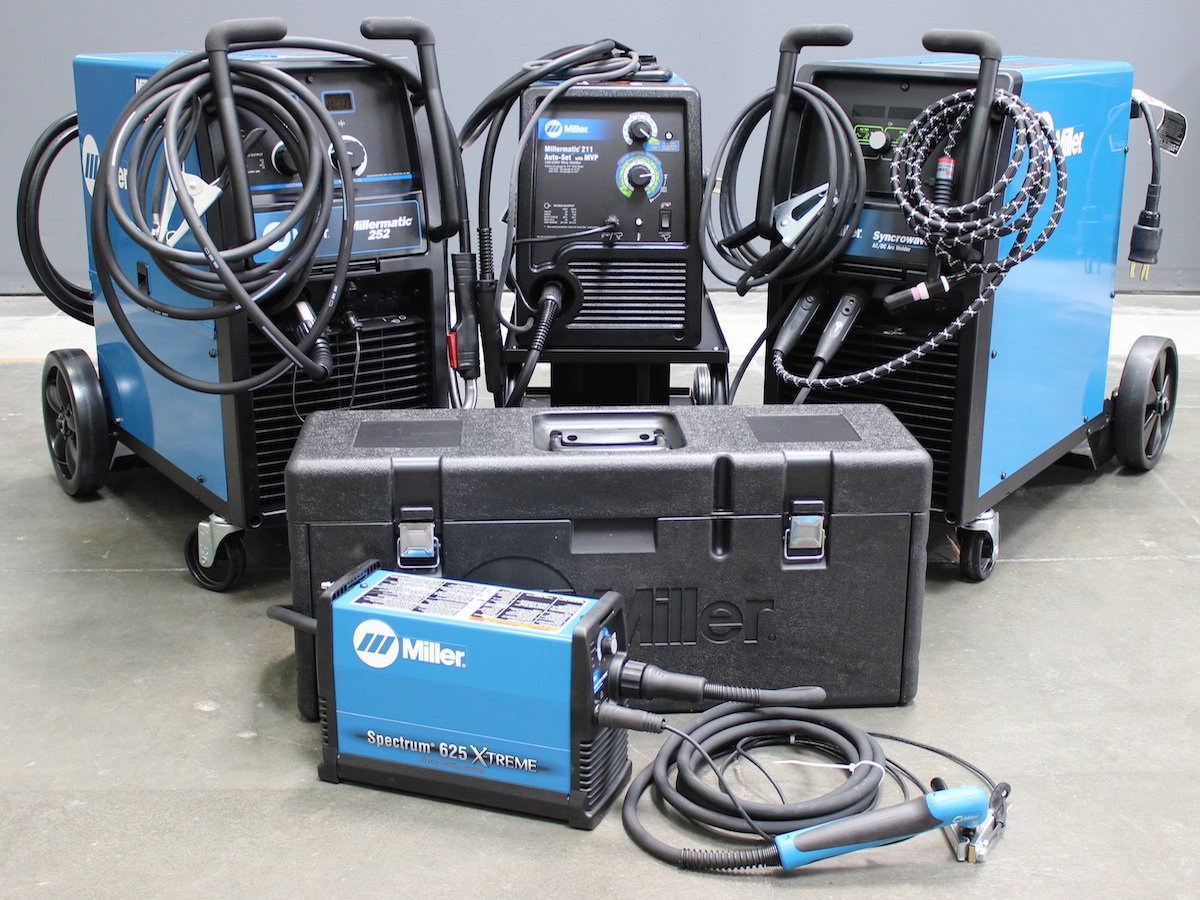
Imagine the hum of power, the sizzle of an arc, and the satisfying clank of metal joining—all in the middle of nowhere. That’s the liberating promise of a welding generator. When you're facing a critical repair on a remote job site, mending farm equipment miles from the nearest outlet, or even just need reliable backup power during an outage, buying and choosing the right welding generator isn't just about convenience; it's about absolute necessity. These versatile workhorses combine robust welding capabilities with essential auxiliary power, making them indispensable for anyone who needs to bring the workshop to the field.
But with so many options, how do you cut through the noise and pick the machine that truly fits your needs? This guide is designed to empower you with the knowledge to make an informed, confident decision, turning a complex purchase into a straightforward process.
At a Glance: Key Considerations for Your Welding Generator
- What are you welding? Determines the amperage (Amps) needed. Light repairs (3mm rods) need 80-90A; heavy structural (4mm rods) require 120-200A. Always add a power buffer.
- What tools need power? Factor in auxiliary power output (kW). A 200A welder should offer at least 5-6kW.
- AC or DC? DC is the professional choice for a smoother, more stable arc, especially for stainless steel. AC is budget-friendly for basic steel.
- How long will you weld? Check the Duty Cycle. Hobbyists are fine with 30-40%; professionals need 60-100%.
- Gasoline or Diesel? Gasoline is cheaper upfront and more portable for short-term use. Diesel offers superior fuel efficiency and much longer lifespan for continuous, heavy-duty work.
- Is it built to last? Look for reputable engine brands (Honda, Kohler, Yanmar), roll cages, and sturdy wheel kits for portability.
- Don't forget safety! Prioritize overload protection, low oil shutdown, and voltage regulation.
Why a Welding Generator? More Than Just Sparks
A welding generator isn't just a powerful welder; it's a mobile power station. Its genius lies in its dual functionality: it generates the high-amperage current needed for welding and simultaneously provides standard AC power to run grinders, lights, air compressors, and other essential tools. This makes it a crucial piece of equipment for scenarios far from grid power, such as:
- Remote Construction Sites: Setting up steel structures long before permanent utilities are in place.
- Agricultural & Ranching Operations: Making quick, critical repairs to tractors, fences, or implements right in the field.
- Pipeline Maintenance: Sustained, high-duty cycle work in isolated, harsh environments.
- Emergency & Disaster Relief: Rapid repairs and temporary power for critical equipment or even home backup.
It’s the ultimate tool for self-sufficiency, ensuring your work continues regardless of your location or grid power availability.
The 6 Core Dimensions: Unpacking Your Welding Generator Needs
Choosing the right welding generator starts with a clear understanding of your primary applications. Let’s break down the foundational criteria that will guide your decision.
1. What Are You Welding? Rod Diameter & Amperage
The type and thickness of metal you plan to weld will dictate the amperage (Amps) your machine needs to deliver, which in turn influences the generator's power output.
- Light Repairs & Maintenance: If you're tackling smaller jobs like repairing fences, fabricating brackets, or working with steel up to 4mm (approximately 1/8 inch) thick, you'll typically use 3mm (1/8″) welding rods. For these, an output of 80-90 Amps is usually sufficient.
- Heavy Structural Welding: For more demanding tasks such as joining heavy beams, repairing robust machinery, or working with steel up to 10mm (approximately 3/8 inch) thick, you'll need 4mm (5/32″) rods. This demands a significantly higher output, ranging from 120 Amps up to 200 Amps.
Actionable Insight: Always select a machine with a little extra power. If your maximum anticipated need is 180 Amps, aim for a 200 Amp generator. This buffer makes arc initiation smoother, provides better penetration, and prevents straining your machine at its absolute limit, extending its lifespan.
2. Powering Your Other Tools: Auxiliary Output (kW)
Beyond welding, you'll likely need to run various power tools or accessories at your remote site. This is where the generator's auxiliary power output, measured in kilowatts (kW), becomes critical.
Consider what you’ll be running: angle grinders for prep work, air compressors for pneumatic tools or plasma cutters, floodlights for night work, or even charging batteries. Each of these draws power, and your generator needs to handle the collective load.
Rule of Thumb: A welding generator in the 200A class should ideally provide at least 5kW to 6kW of auxiliary power. This capacity ensures you can weld effectively while simultaneously operating common job site tools without tripping breakers or compromising performance. Don't skimp here; insufficient auxiliary power can be a major productivity bottleneck.
3. AC vs. DC: The Arc of Choice
The type of current your welder produces significantly impacts weld quality, ease of use, and material compatibility.
- AC (Alternating Current): You'll often find AC output in more entry-level or budget-friendly welding generators. It's perfectly adequate for basic stick welding on mild steel. However, the arc can be a bit harder to start and maintain, especially for novices. While effective, it generally doesn't offer the same level of control or versatility as DC.
- DC (Direct Current): This is the professional’s preference. DC provides a much smoother, more stable arc, leading to better penetration and cleaner welds. It's essential for welding stainless steel, cast iron, or when using specialized electrodes that require a consistent, unidirectional current. If you're serious about your welding quality, working with a variety of metals, or planning to do TIG welding, DC is the clear winner. Many modern machines offer both AC and DC capabilities, providing maximum flexibility.
4. Working Hard, Staying Cool: Understanding Duty Cycle
Duty cycle is a critical specification, especially if you anticipate long hours of continuous welding. It tells you how long, within a 10-minute period, the machine can weld at its rated current before needing to cool down to prevent overheating.
For example, a specification of "60% @ 200A" means the machine can weld continuously for 6 minutes at 200 Amps, followed by 4 minutes of cooling, within any 10-minute cycle.
- Hobbyist/Light Repair: If your welding sessions are intermittent and relatively short, a duty cycle of 30-40% is usually sufficient.
- Professional/Pipeline Work: For continuous, demanding applications like pipeline welding or heavy fabrication, you'll need a robust duty cycle of 60% to 100%. Anything less will force frequent interruptions, significantly slowing down your work.
Ignoring the duty cycle can lead to premature wear, poor weld quality from inconsistent power, and frustrating downtime.
5. Fueling Your Fire: Gasoline vs. Diesel
The engine type largely determines the generator's purchase price, operating costs, and overall lifespan.
- Gasoline Welders:
- Pros: Generally have a lower initial purchase price, are lighter, and more portable. They tend to start easier in cold weather.
- Best For: Mobile service trucks, DIY enthusiasts, or short-term projects where portability and upfront cost are key.
- Lifespan: With good maintenance, expect 2,000–3,000 hours of engine life.
- Efficiency: Consume up to 20% more fuel than diesel generators for the same power output.
- Diesel Welders:
- Pros: Offer superior fuel efficiency (often 40-50% more efficient than gasoline), boast incredibly long engine lives, and provide higher torque, which translates to a more stable welding arc under load.
- Best For: Mining operations, large construction sites, or any application requiring all-day, continuous, heavy-duty use.
- Lifespan: Liquid-cooled diesel engines, when well-maintained, can deliver 10,000 to 20,000 hours of reliable service.
- Efficiency: Their efficiency makes them more economical for long-term, high-volume use despite a higher initial cost.
Your choice here hinges on your anticipated usage frequency, project duration, and budget. For those interested in optimizing fuel consumption for different welding techniques, exploring resources on various welding methods can provide further insights.
6. Built to Last, Easy to Move: Reliability & Portability
A welding generator is an investment that needs to withstand harsh environments.
- Engine Brand: The heart of your generator is its engine. Stick with reputable brands known for reliability and readily available parts, such as Honda, Kohler, Yanmar, or other top-tier OEM (Original Equipment Manufacturer) options. This ensures easier maintenance and repairs down the line.
- Protection: Job sites are tough. Look for machines encased in a full roll cage. This robust framework protects vital components from impacts, bumps, and accidental drops, preventing costly damage.
- Mobility: Many welding generators are heavy. For machines over 100kg (about 220 lbs), a sturdy wheel kit with large, pneumatic tires and a secure lifting hook (or even forklift pockets) is essential for easy movement around a site or loading onto a vehicle. Don't underestimate the importance of ergonomics when you have to move these beasts regularly.
Beyond the Basics: Diving Deeper into Your Selection
Once you've considered the core dimensions, a few additional factors can refine your choice and ensure you get the most out of your investment.
Getting the Watts Right: Power Output & Surge Capacity
We’ve talked about auxiliary power in kilowatts (kW), but it's crucial to understand the total wattage output of the generator and its relation to your welding machine's specific demands. Industrial welders can require anywhere from 5,000 to 12,000 watts.
- Matching Power: It's vital to match the generator's wattage output to the requirements of your welding tasks and any tools you’re running simultaneously. Insufficient power can lead to a weak, sputtering arc, poor weld quality, and even damage to both your welder and the generator.
- Too Much/Too Little: While higher output allows for greater heat input and deeper penetration, too much power for thin materials can cause overheating, warping, or burn-through. Conversely, too little power restricts your ability to weld thicker materials effectively.
- Surge Capacity: This is the generator's ability to temporarily handle a high initial wattage burst, common when starting motors (like those in air compressors or pumps). Your generator's surge capacity should ideally be at least 1.5 times the running wattage of your largest individual load to prevent overloads and tripped breakers.
The Quiet & The Long Haul: Noise Level & Run Time
Working environment and productivity often hinge on these factors.
- Noise Level: Generators can be loud, but advancements in technology are making quieter models more accessible. Look for models with noise levels below 60 decibels (dB), especially if you'll be working in residential areas, indoors, or for extended periods. A quieter machine improves communication, reduces operator fatigue, and can even be a regulatory requirement in some locations.
- Run Time: This refers to how long the generator can operate on a single tank of fuel, typically ranging from 6 to 12 hours. For continuous work on remote sites, a longer run time means less frequent refueling, enhancing productivity and minimizing interruptions.
Smooth Power, Smart Welds: The Inverter Advantage
Inverter technology has revolutionized both welders and generators, and its inclusion in a welding generator offers significant benefits.
- How it Works: An inverter converts the raw AC power from the engine's alternator into DC, then uses high-frequency switching to "invert" it back into extremely stable, high-frequency AC current (or DC for welding).
- Key Benefits:
- Stable Arc & Smoother Welds: Inverters produce incredibly clean, stable power, resulting in a much smoother welding arc, less spatter, and overall higher weld quality. This makes them ideal for sensitive processes like TIG welding.
- Fuel Efficiency: They are remarkably more fuel-efficient than conventional generators, adjusting power output precisely to the load.
- Portability: Inverter welding generators are typically much lighter and more compact than their traditional counterparts, making them easier to transport.
- Clean Power: The stable sine wave output is safer for sensitive electronics, meaning you can confidently power laptops or sophisticated diagnostic tools alongside your welding operations.
If your budget allows, opting for an inverter-based welding generator is almost always a superior choice, especially for improved welding performance and versatile auxiliary power.
Safety First: Non-Negotiables for Every Job Site
Safety should never be an afterthought. Always prioritize welding generators equipped with robust safety features. OSHA guidelines emphasize these critical protections:
- Overload Protection: Automatically shuts down the unit if current draw exceeds safe limits, preventing damage.
- Low Oil Shutdown: Protects the engine by turning it off if oil levels drop too low.
- Circuit Breakers: Essential for protecting auxiliary power outlets from overloads.
- Electrical Shock Protection: Features like insulated components and proper grounding systems are paramount.
- Overheat Protection: Thermal sensors monitor component temperatures and will shut down the machine if it gets too hot, protecting both the welder and its operator.
- Automatic Voltage Regulation (AVR): Ensures a stable, consistent power output, which is crucial for both welding quality and protecting connected electronics.
- User-Friendly Controls: Clear, intuitive controls reduce the chance of operational errors.
The Bottom Line: Price, Warranty, and Long-Term Value
Your budget is always a factor, but consider it as an investment in productivity and reliability.
- Price: While entry-level gasoline models are more affordable, diesel and inverter models represent a higher upfront cost. Balance this against the lifespan, fuel efficiency, and capabilities you need.
- Warranty: A strong warranty (typically 2-5 years) is a clear indicator of a manufacturer’s confidence in their product. It offers peace of mind and protection against unexpected defects. Don't underestimate the value of comprehensive post-purchase support.
Matching the Generator to Your Weld (Techniques & Compatibility)
Different welding processes have unique demands. Your welding generator needs to be compatible with the techniques you plan to use. If you're looking for more general maintenance advice, exploring generator maintenance tips can help extend the life of your equipment.
Stick Welding: The Workhorse for Tough Jobs
Also known as Shielded Metal Arc Welding (SMAW), stick welding is incredibly versatile and well-suited for a welding generator.
- Generator Compatibility: Excellent. Stick welders are generally more tolerant of power fluctuations and are ideal for outdoor or windy conditions because the electrode's flux coating protects the weld puddle.
- Amperage Range: Typically 20-300 amps, suitable for a wide range of material thicknesses.
- Pros: Most affordable, highly portable (the welder itself is just cables and a stinger), good for thicker materials, performs well on dirty or rusty surfaces.
- Cons: Can be cumbersome for novices, produces more spatter, requires slag cleanup.
MIG Welding: Speed and Simplicity
Metal Inert Gas (MIG) welding uses a continuous wire feed and an inert gas shield.
- Generator Compatibility: Good. Many welding generators can power external MIG feeders. The inverter types are particularly good for cleaner MIG arcs.
- Amperage Range: Typically 20-250 amps, excellent for thin materials (aluminum, steel).
- Pros: Easiest to learn for beginners, fastest welding speed, good weld quality with less spatter than stick.
- Cons: Requires a gas cylinder (reducing portability somewhat), more susceptible to wind, can be bulky when combined with a wire feeder.
TIG Welding: Precision and Purity
Tungsten Inert Gas (TIG) welding offers the highest precision and cleanest welds.
- Generator Compatibility: Requires stable, clean power. Inverter welding generators are highly preferred for TIG welding due to their stable arc and precise current control. Conventional generators might struggle to provide the consistent power needed for high-quality TIG.
- Amperage Range: 10-300 amps, extremely versatile for stainless steel, aluminum, and other non-ferrous alloys.
- Pros: Highest weld quality, minimal spatter, beautiful aesthetic finish, excellent for thin materials.
- Cons: Slowest welding speed, most challenging to master, requires a gas cylinder, and often more expensive equipment.
For those focusing on specific electrode types, understanding the nuances of choosing welding electrodes is also essential for optimal generator performance.
Real-World Scenarios: Where Welding Generators Shine
To truly appreciate the value of a welding generator, let's look at some typical applications:
- Construction Sites: Picture a new commercial building going up. Before the grid power is connected, critical steel beams need to be welded into place. A diesel welding generator with a high duty cycle is indispensable here, providing consistent power for structural work.
- Agriculture & Ranching: A broken pivot arm on a tractor during harvest season can mean costly downtime. A gasoline welding generator on a service truck allows a farmer or rancher to perform immediate, essential repairs in the middle of a vast field, saving time and money.
- Pipeline Maintenance: Miles from civilization, teams are constantly inspecting and repairing pipelines. These jobs require continuous, heavy-duty welding, making robust diesel machines with 60-100% duty cycles and extended run times the only viable option.
- Emergency Backup: Beyond industrial use, many welding generators double as powerful backup generators for homes. During a power outage, they can run essential appliances like refrigerators, well pumps, and lights, offering a crucial layer of security and convenience.
Keeping Your Powerhouse Running: Essential Maintenance Tips
A welding generator is an investment that demands regular care. Proper maintenance ensures longevity, reliable performance, and safety.
Daily (After Every Use)
- Blow Out Dust: Use low-pressure compressed air to clear dust and debris from cooling fins, windings, and circuit boards. This prevents overheating and potential short circuits.
- Inspect Cables & Clamps: Check welding cables for cuts, cracks, or frayed insulation. Ensure the ground clamp and electrode holder (stinger) connections are tight and clean. Loose connections lead to poor conductivity and sputtering.
- Clean Electrode Holder: Residue on the stinger can impede current flow. Clean it regularly for optimal performance.
- Visual Check: Quickly inspect for any oil leaks and confirm adequate fuel levels for your next use.
Periodic Maintenance
- Engine Oil: The first oil change is crucial after the initial 20 hours (break-in period). Afterward, change the oil every 100 hours of operation or as recommended by the manufacturer.
- Air Filters: Check the air filter frequently, especially in dusty environments. A clogged filter chokes the engine, reducing power and causing it to run rich (often indicated by black smoke). Clean or replace as needed.
- Electrical Inspection: Every 6 months or 500 hours, have a qualified professional inspect electrical components like brushes and slip rings. Wear here can lead to power loss and inconsistent output.
- Fuel System: Regularly check fuel lines for cracks and ensure fuel filters are clean. Stale fuel or clogged filters can cause engine sputtering and inconsistent power delivery for both welding and auxiliary functions.
By following these simple steps, you'll ensure your welding generator is always ready for action. Understanding the duty cycle is key to preventing overheating, and more on this can be found in our guide to welding generator duty cycles.
Your Burning Questions Answered: Welding Generator FAQ
Can I use my welding generator for home backup?
Yes, absolutely. Most welding generators come equipped with auxiliary power outlets (typically 120V and 240V) that can power household appliances during an outage. However, be cautious: avoid performing heavy welding tasks while simultaneously powering sensitive electronics (like computers or smart TVs), as voltage fluctuations during welding can potentially harm them. It's best to prioritize either welding or backup power, or at least ensure sensitive devices are disconnected during heavy welding.
Why is my welding arc unstable or sputtering?
An unstable or sputtering arc is frustrating and usually points to one of several issues:
- Poor Grounding: The most common culprit. Ensure your ground clamp is attached to a clean, bare metal surface, free of paint, rust, or scale. A bad ground prevents a complete, consistent electrical circuit.
- Dirty Fuel/Air: Issues with the engine's fuel or air supply can cause inconsistent RPMs, leading to fluctuating power output and an unstable arc. Check your air filter and fuel quality.
- Cable Issues: Welding cables that are too long or too thin for the amperage can cause significant voltage drop, leading to a weak arc. Also, inspect for loose connections or damaged insulation.
Is an inverter welding generator better than a conventional one?
Generally, yes, if your budget allows. Inverter technology offers several advantages:
- Smoother Arc: Produces much cleaner, more stable power, leading to higher quality welds with less spatter.
- Fuel Efficiency: They are more efficient, consuming less fuel for the same output.
- Portability: Significantly lighter and more compact.
- Cleaner Auxiliary Power: Safer for sensitive electronics.
- Versatility: Often better suited for advanced welding processes like TIG.
While conventional models are often more budget-friendly and robustly simple, the performance and efficiency benefits of inverters often outweigh the higher initial cost for serious users.
Can a small 3kW generator power a separate welder?
Typically, no. A standard 3kW generator (which provides about 25 Amps at 120V or 12.5 Amps at 240V) struggles immensely with the high "in-rush" current that even a small inverter welder demands when starting or under load. You'd likely trip breakers constantly and risk damaging both machines. For powering a separate inverter welder, we generally recommend a generator with at least 6kW to 8kW of continuous output, along with good surge capacity, to ensure stable operation.
Leading Brands & Reliable Models (Examples)
When investing in a welding generator, quality makes a difference. Here are a few examples from reputable brands that exemplify the features discussed:
- Hobart Engine Driven Generator/Welder: Hobart is known for its robust, US-made equipment. Their welding generators often offer a wide power range (e.g., 40-145 amps), are compact, and operate quietly. They’re built for continuous operation without overheating, making them reliable for both welding and powering tools. Ergonomic handles and balanced weight contribute to easier handling.
- Lincoln Ranger 330MPX: Lincoln Electric is a giant in welding, and their Ranger series is a staple. The 330MPX, for instance, typically features a sturdy metal frame, a powerful 300A gas engine, and quiet operation. Users often praise its straightforward startup and consistent power delivery for clean welds across various processes. While heavy, good handles and wheels make it reasonably portable for its class.
- TOMAHAWK 120A Gasoline Stick & Inverter Generator: This model highlights the benefits of inverter technology in a portable package. With a 7 HP engine and up to 2200 watts of auxiliary power, its inverter technology provides a stable sine wave for cleaner welds and safer auxiliary power. Its electronic reader and adjustable knob offer precise control, and its lightweight yet sturdy design makes it a good option for mobile light to medium welding tasks (up to 120 amps MMA). It’s also noted for reasonably low noise.
Making Your Final Choice: A Clear Path Forward
Choosing the right welding generator doesn't have to be overwhelming. By systematically evaluating your needs across these key dimensions—from the thickness of the metal you'll weld to the fuel type that best suits your operational costs and the safety features that protect your investment—you're well on your way to making a smart decision.
Take the time to assess your typical projects, your budget, and the importance of factors like portability, noise, and advanced features like inverter technology. Invest in a machine that not only meets your current demands but also offers a bit of buffer for future needs and unforeseen challenges.
Ultimately, your welding generator should be a dependable partner, bringing power and productivity wherever your work takes you. Choose wisely, and you'll find yourself equipped to tackle almost any repair or fabrication job with confidence. For a more exhaustive exploration of this topic, refer to our comprehensive guide to welding generators.